This post may contain affiliate links. Please see our privacy policy for more details.
If you are gluten free and wondering if you should try sourdough, let this be your encouragement. The power of fermentation is life changing and having food freedom to enjoy things you love with your family and friends can positively impact your life forever!

As someone who was gluten free for over 14 years before I transitioned over to sourdough – the hardest part was the first bite. The biggest battle was not how my body would react. It was taking the leap to willingly eat something that had bothered my stomach for so many years.
As a disclaimer, please make sure to work with an allergist when adding foods into your diet. This is especially true if you have an intolerance, food allergy or are celiac.
I made the leap to try sourdough after my body gave me the ‘green light’ when I had my allergies tested for the second time in my life. The first time I had them tested – I reacted to wheat, oats and buckwheat.
10 years later and my body no longer showed an intolerance to wheat and oats. Buckwheat is a hand I will never try to add back in because I have an actual food allergy.
Even after getting the ‘green light’, it still took me four years before I started eating gluten.
If you have a similar story, you know how your body reacts to foods and are ready to make the leap, I have some tips for you to make the transition easier.

Know your body
If you have food allergies or intolerances, you are likely familiar with how to add a food back into your diet to see if you will react. Be sure to work with an allergist to understand the proper way to re-introduce foods to your diet. And also how to monitor how your body responds.
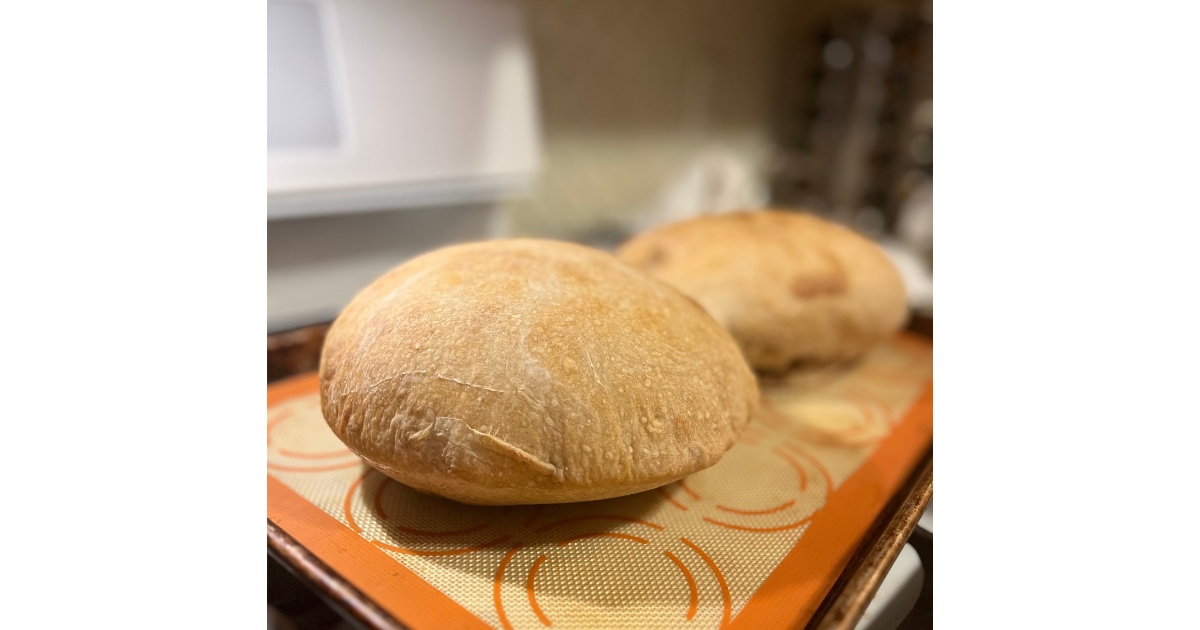
This is crucial before eating a piece of sourdough bread! (If you are looking for a delicious loaf of soft sourdough bread, this is my favorite recipe).

Pray
There have been a lot of prayers over the past few years as I have started eating more foods my body previously reacted to. If you would have told me 15 years ago I would be eating eggs, beef, chicken, apples, and wheat – I would have laughed.
Setting my mind at ease has been no easy task. It takes a lot of willpower to ask God for guidance and helping to calm my mind. After deciding to take the leap and eat wheat, I just had a gut feeling that everything would be ok. I had taken years to heal my body and allow time for inflammation to settle. Thank you, Holy Spirit!

Have someone to encourage you along the way
My husband was actually the one who encouraged me to try eating sourdough. With his background in health and wellness – plus extensive research – I was encouraged.
It helps to be able to tell someone who is familiar with how you react to an allergic reaction. They can hep you understand if you are in your head or actually having a reaction.
As an added bonus it also helps to have someone else who will eat your baked goods alongside with you. Who does not like sharing baked goods with others!

Stick to long fermented recipes
There are so many sourdough recipes in the world. When trying to decide which ones to start with, focus on the ones which are long fermented.
Long fermented recipes allow the sourdough to work, using the lactic acid to break down the gluten a little bit easier. It helps to enhance digestibility and make the amino acids easier to digest.
Long fermented sourdough recipes are perfect when trying your sourdough journey because they ferment for an extended period of time – allowing the lactic acid to get to work.
They also do not have any additional flour in them that is stirred in before baking. In order for a long fermented recipe to work (IE rise), it has to ferment for an extended period of time. This period of fermentation is anywhere from 24 to 72 hours.
Sourdough discard recipes often use leavening agents like baking soda and baking powder to help them rise. They often add in sourdough discard without letting it ferment.
If you are looking at recipes on my website, I have them categorized into long fermented sourdough recipes and stir and go sourdough recipes. Stir and go are tested with gluten free flour along with all purpose flour for results.
Do not use recipes that are discard if they have additional flour in them and are cooked straight away. I promise that is a gut ache waiting to happen.

Start slow
It can be excited to start something new. Plus, the taste of sourdough is incredible.
I highly recommend starting slow to avoid any gut aches from having one too many slices of bread as you begin.
My first recipe was a bite of sourdough bread. I remember taking a bite and finishing that slice later in the day. My allergy re-introduction protocol encouraged eating a slice a day to see if it would trigger a reaction. For me I was OK!
Throughout time I began experimenting with other recipes like sourdough cinnamon rolls, a sourdough dutch baby and lots of sourdough bread with different ratios. Later I began adding sourdough inclusions (like jalapeño cheddar and cranberry walnut) for variety.

Try incorporating fresh milled grains
The wonders of fresh milled flour blows my mind. After a couple years of eating sourdough, I have started incorporating fresh milled grains into my recipes. Once you get past the initial fresh milled flour detox – your body will be feeling good as ever.
This has allowed me to make recipes both with and without fermentation. One of the first stir and go recipes I tried without fermentation was these fresh milled flour sourdough brownies. They are way better than their counterpart with gluten free flour and the slight nutty flavor from the soft white wheat is unmatched.
If you are new to fresh milled flour – let me tell you why these are a winner for the gluten sensitive community. Fresh milled flour contains the bran of the grain which is removed from all purpose flour.
The bran helps the stomach to digest and break down the nutrients found in wheat (and other various grains). That is why fresh milled flour items can be easier to digest when someone has a gluten sensitivity!
The bran is removed from during the commercial processing to make all purpose flour shelf stable. That is why fresh milled flour has to be used shortly after it is milled – the oils will cause the flour to go rancid.
I also believe that ancient grains are easier to digest because they have had the least change / processed the least amount over their commercially processed counterpart. Wheat is a biblical food that God intended his people to eat – I firmly believe this.
If you are gluten free or know someone who has sensitivities, have they been able to try wheat products made from sourdough? If so, let me know their experience going from gluten free to sourdough in the comments below!