This post may contain affiliate links. Please see our privacy policy for more details.
Using a sourdough bulk fermentation guide can be a game changer in your sourdough journey. After all, half the battle of sourdough is understanding when it is fermented enough to go into the oven.
What happens during bulk fermentation
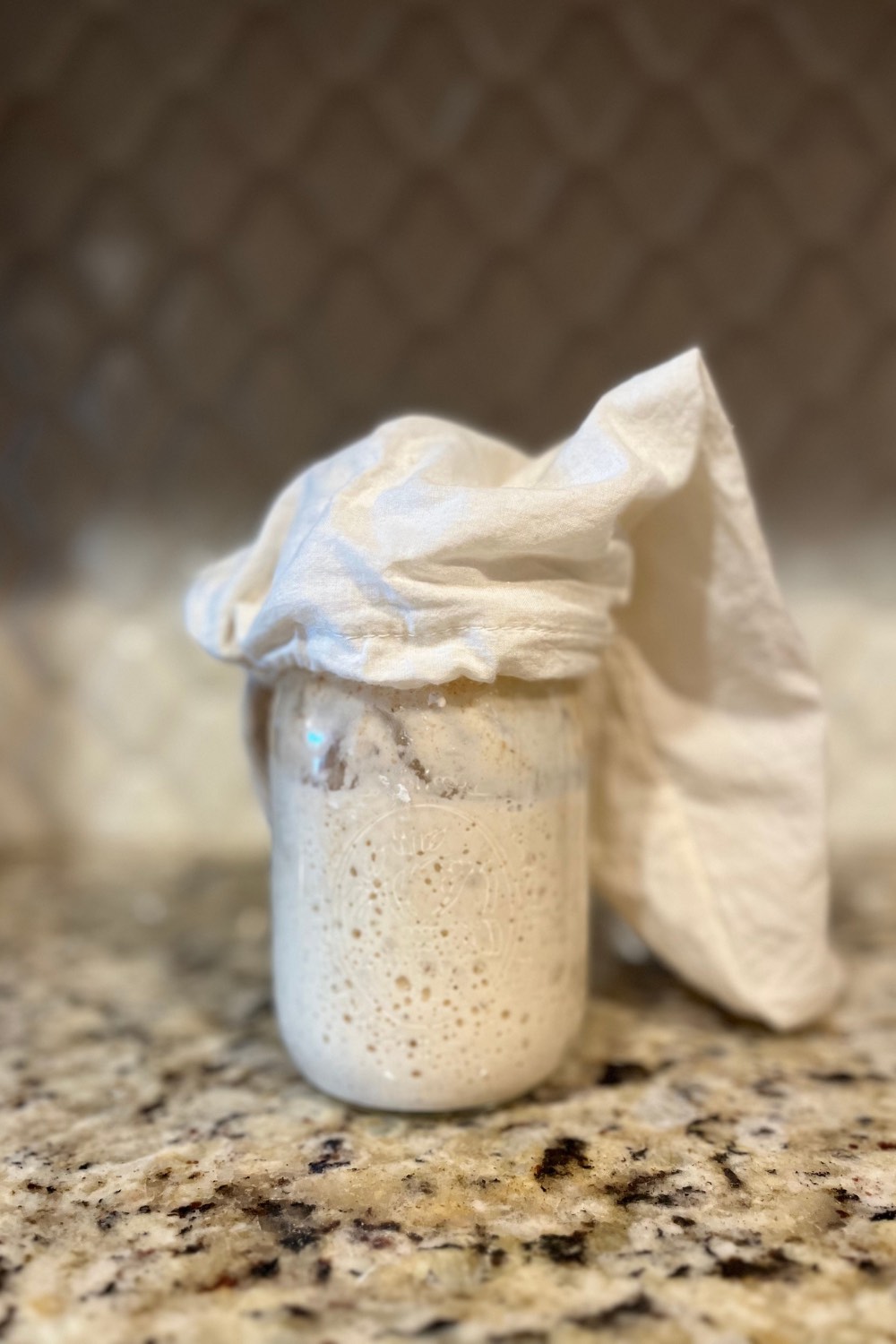
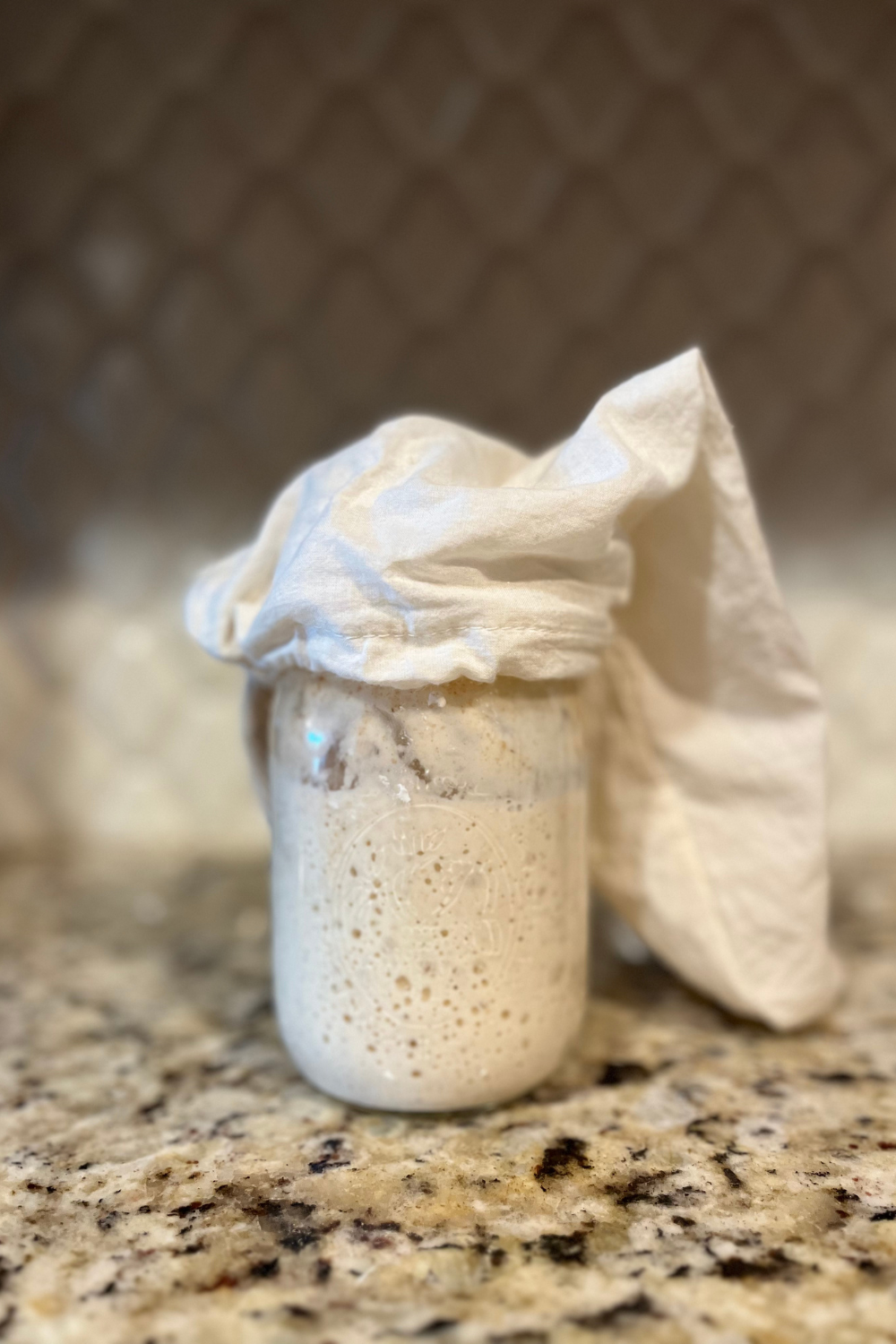
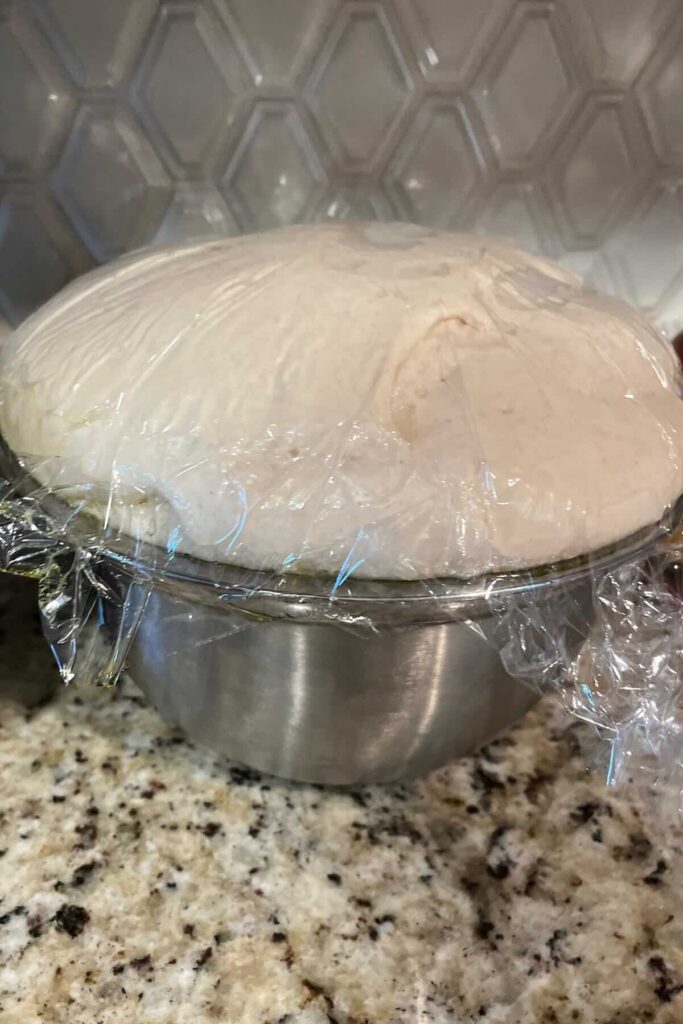
Bulk fermentation is the long stretch of time your sourdough baked good is proofing. During this time, your wild yeast (aka sourdough starter / discard), feeds on the flour and releases gas as a result (aka the bubbles). This process ferments the dough and creates height and depth within your recipe.
Characteristics you will notice during a bulk fermentation period include:
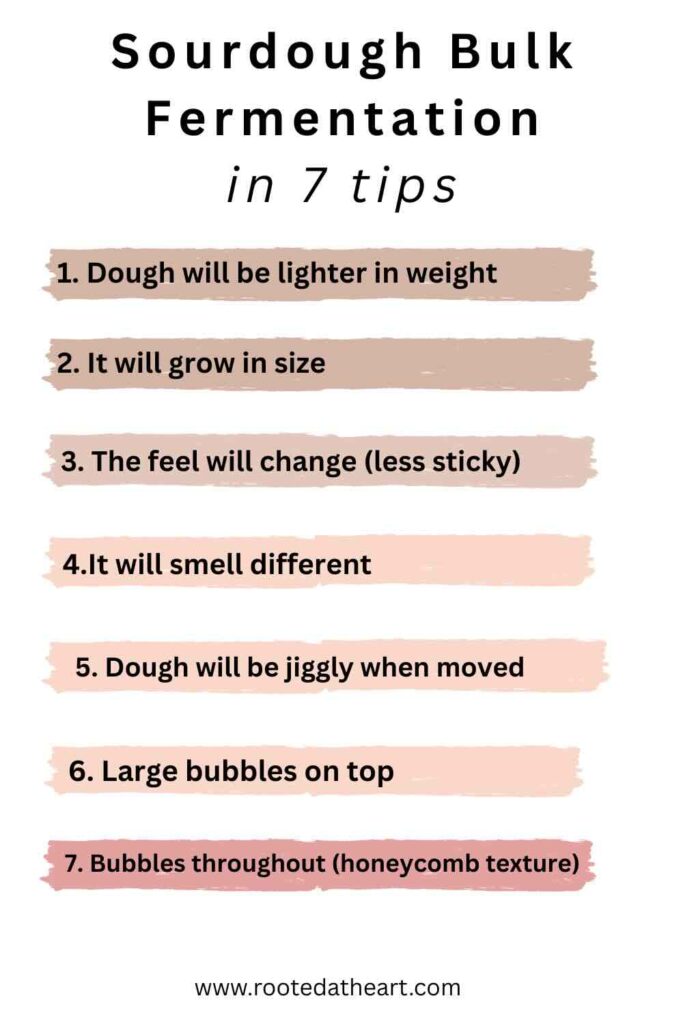
- Your loaf of bread (or other sourdough baked good), will become lighter in weight
- It will grow in size
- It will smell different.
- It will feel different (less sticky in texture)
- It will become jiggly when the bowl is moved instead of firm.
- There will be large bubbles on top
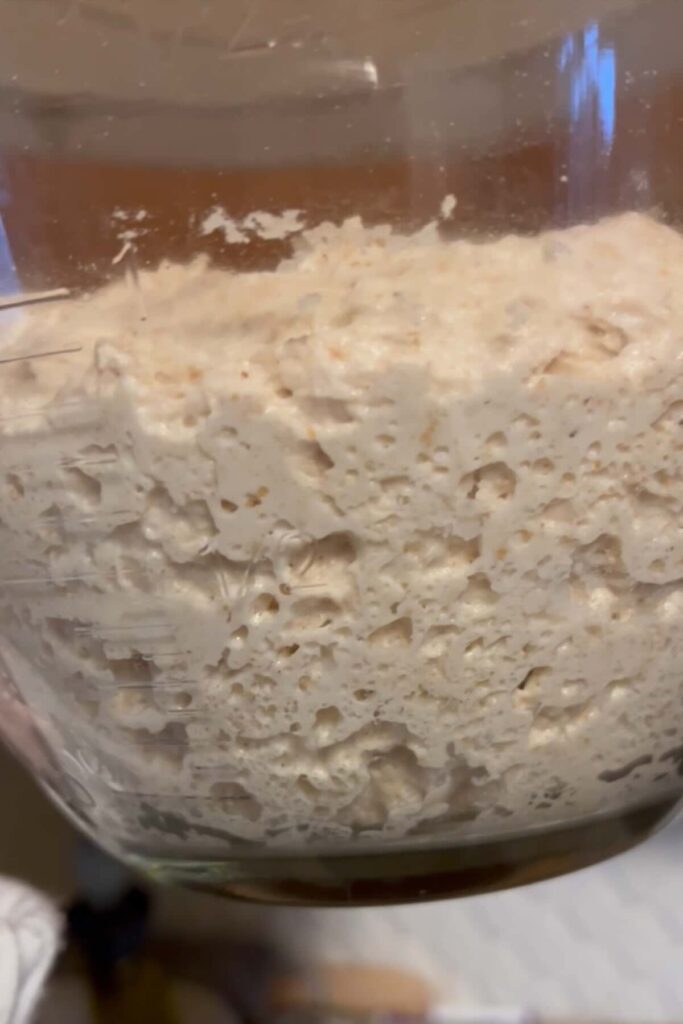
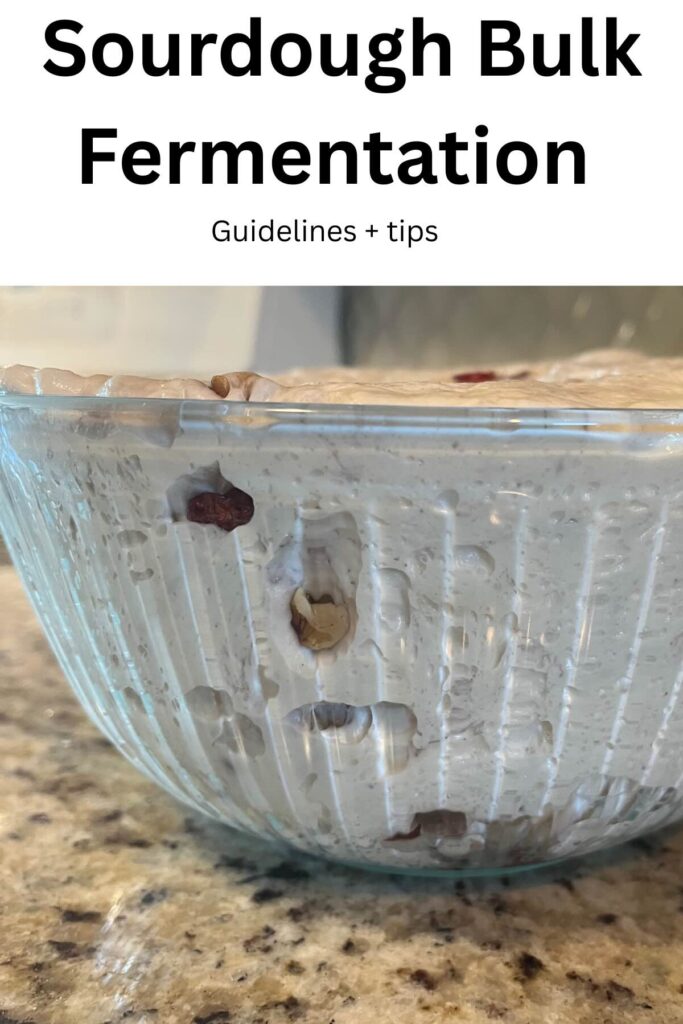
- The dough will have bubbles throughout (honeycomb texture)
This process is an essential step in sourdough baking and what impacts the overall schedule (and rhythm), in your kitchen. The process can speed up when your kitchen or weather is warm and it slows down when your kitchen (or weather) are cool. Learning how to adjust your sourdough schedule in warm weather or in cold weather is equally as important as having a tried and true sourdough bread recipe.
General Guidelines
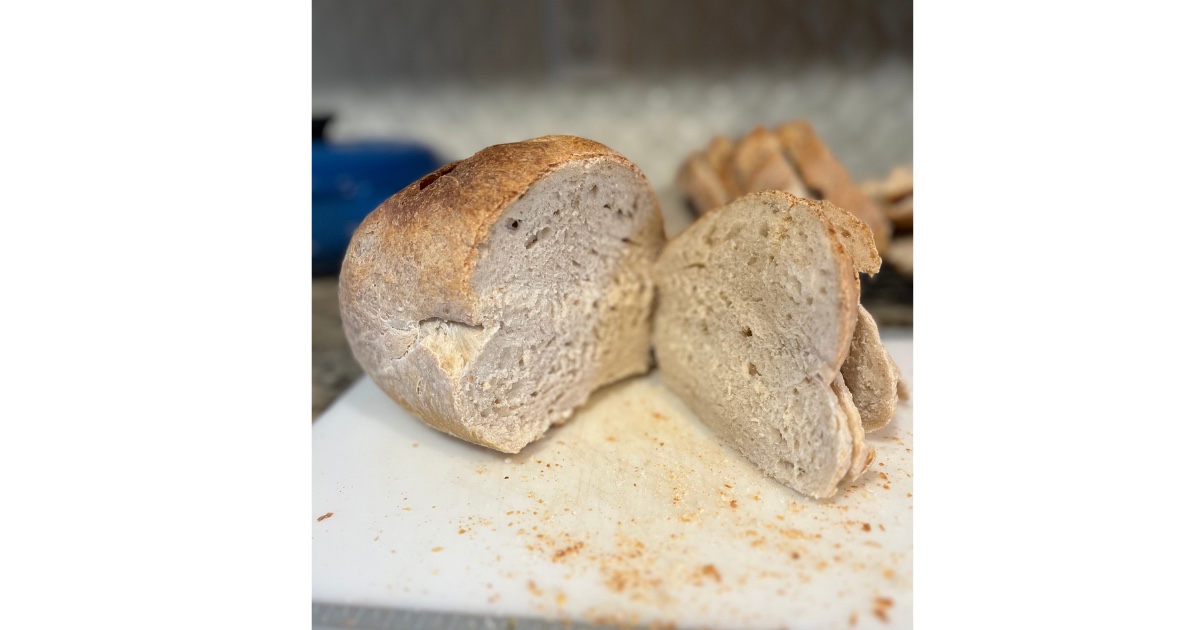
When making sourdough bread, there are a few factors which can impact how well your bread turns out. Understanding bulk fermentation is one of these factors. If your bread is under proofed, you will be left with troubleshooting a dense, raw loaf of bread. If it is over proofed, your bread may be hard to shape and not bake how you anticipate it (this is when sourdough focaccia recipes come in handy).
When is it ‘done’?
When trying to determine when sourdough bulk fermentation is done, look for these signs:
- Dough feels like and fluffy (IE bowl feels lighter)
- Bubbles all throughout
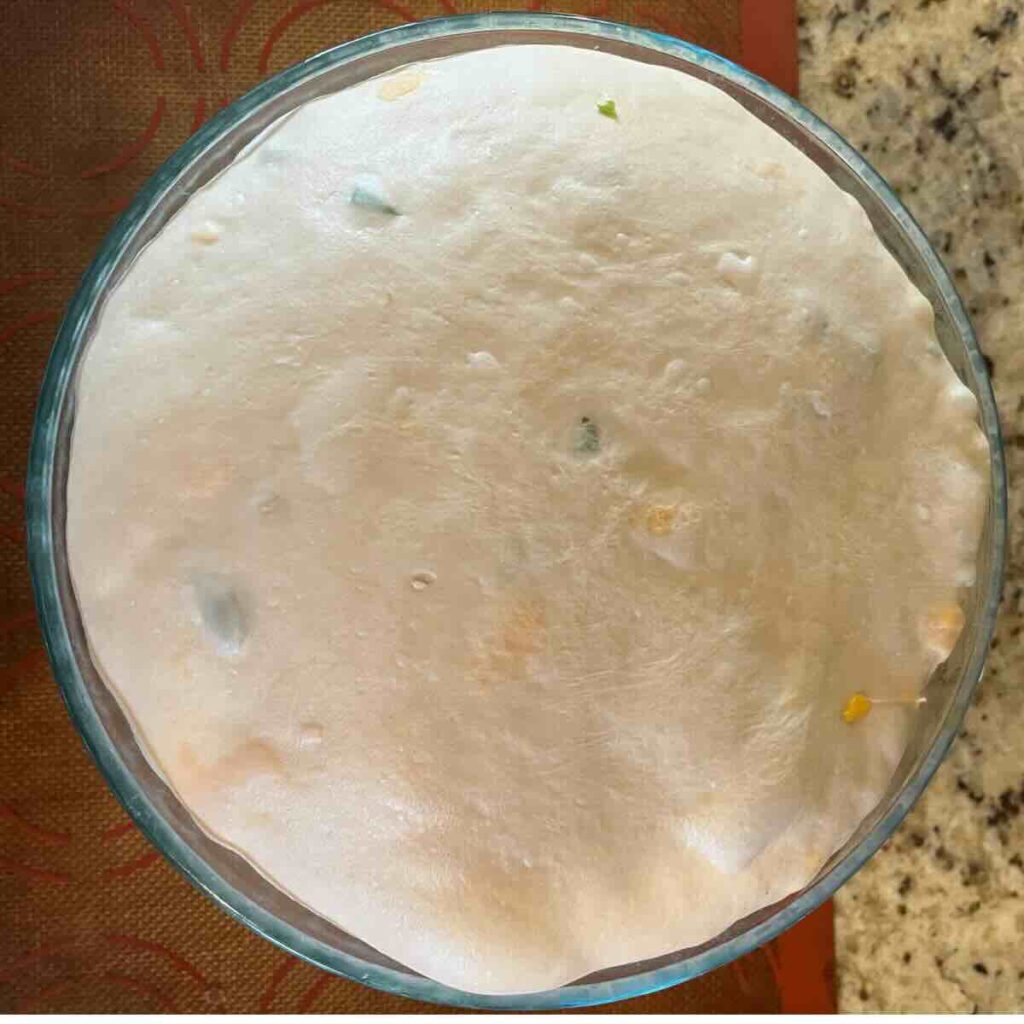
- On the top there might even be ‘huge’ bubbles
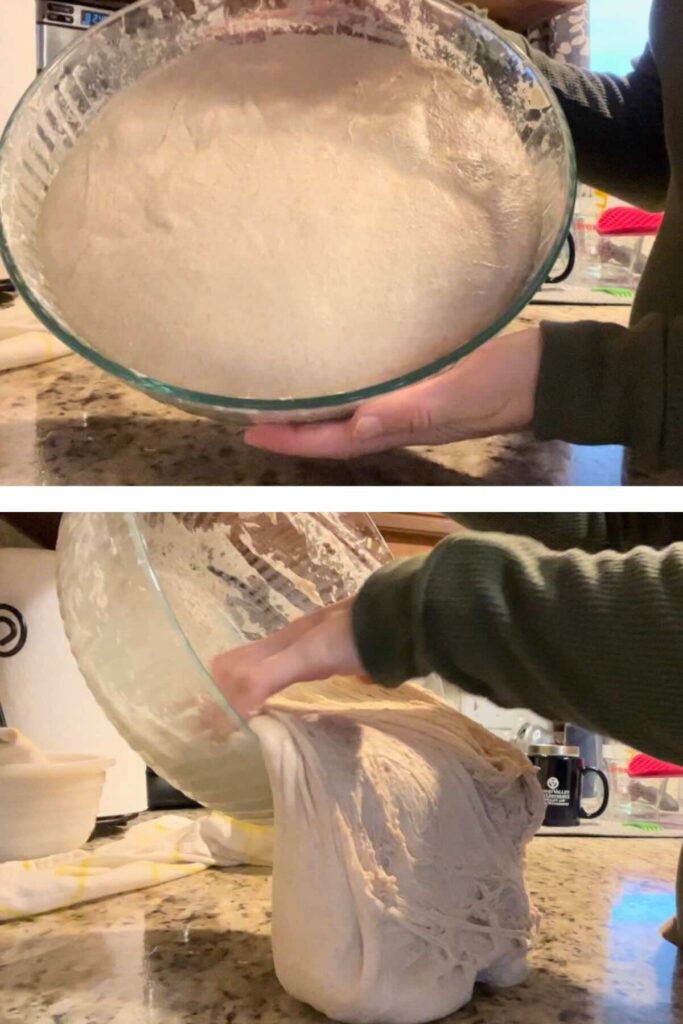
- “Easy” release from the side of the bowl when pulled
- Honeycomb look when scooping out / pouring out
- When touched, the dough bounces back when indented. It does not stick to your finger.
- The dough will be jiggly when moving the bowl.
- This is mostly true for sourdough bread and potentially sourdough dinner rolls. I do not find this true with sourdough brioche recipes (like cinnamon rolls or sticky buns) or pizza dough.
- It will smell sweet and ‘yeasty’.
- If you smell your sourdough bread after mixing or before stretch and folds, it will smell different than when it is bulk fermented
- The dough will have doubled (or even tripled) in size.
- You can mark your bread bowl on the side to see when this is complete.
It is important to note, when working with sourdough inclusions – like cranberries and walnuts, the top of the dough may not look like bulk fermentation is complete.
Volume, Temperature and Time
These three keys can play a vital role in understanding when your bulk fermentation period could be complete.
- Volume
We are generally looking for dough to double in size. However, some sourdough recipes like those including butter or oil, may not rise to double in size. For example, sourdough garlic knots may not double in size as the batter contains butter.
If you are struggling to see how much your batter has increased in size, consider the aliquot method. This is where you take a small portion of the dough (1-2 TBS) aside into a separate small container to watch it ferment.
You can also mark the side of your bin to see where the dough started. Both of these techniques (aliquot method and marking your container) can help create a secondary visual when looking at a large batch of dough.
- Temperature
When discussing temperature, we are referring to the temperature of your dough, not your house. Temp checking your dough can be a useful technique when attempting to understand how long it should take for a baked good to increase in size. As the dough warms up (thanks to the power of fermentation), it will begin to rise.
If you put cold water or starter into your dough, it will take longer for your dough to rise. The opposite is true if you use warm water or sourdough starter left on the countertop. Just be sure if you use warm water that it is not too hot or you can damage the integrity of the yeast.
- Time
As a general rule of thumb – a recipe can take 4-12 hours to complete bulk fermentation. And if you are rolling your eyes saying ‘Hailey, that is a long scale’, I understand. The temperature of your water, sourdough starter, and home can all impact the time it takes for something to bulk ferment. Humidity and hydration levels can also impact how fast you
But contrary to thought, a singular batch of sourdough bread vs. a double batch of sourdough bread will likely take the same amount of time to complete a bulk rise. (At least this is what I have found). Scaling your baking can be fun!
I find the difference of waiting 30 minutes can change how proofed a dough is. When in doubt, you can wait it out!
Troubleshooting bulk fermentation
If you are not having a successful rise within your sourdough, consider what factors may be impacting this.
- Are you playing with your dough too much and not allowing it to rest between stretch and folds (or immediately putting it into the mixer to knead before letting the flour soak up some water – IE autolayse)?
- How does your sourdough’s hydration level look?
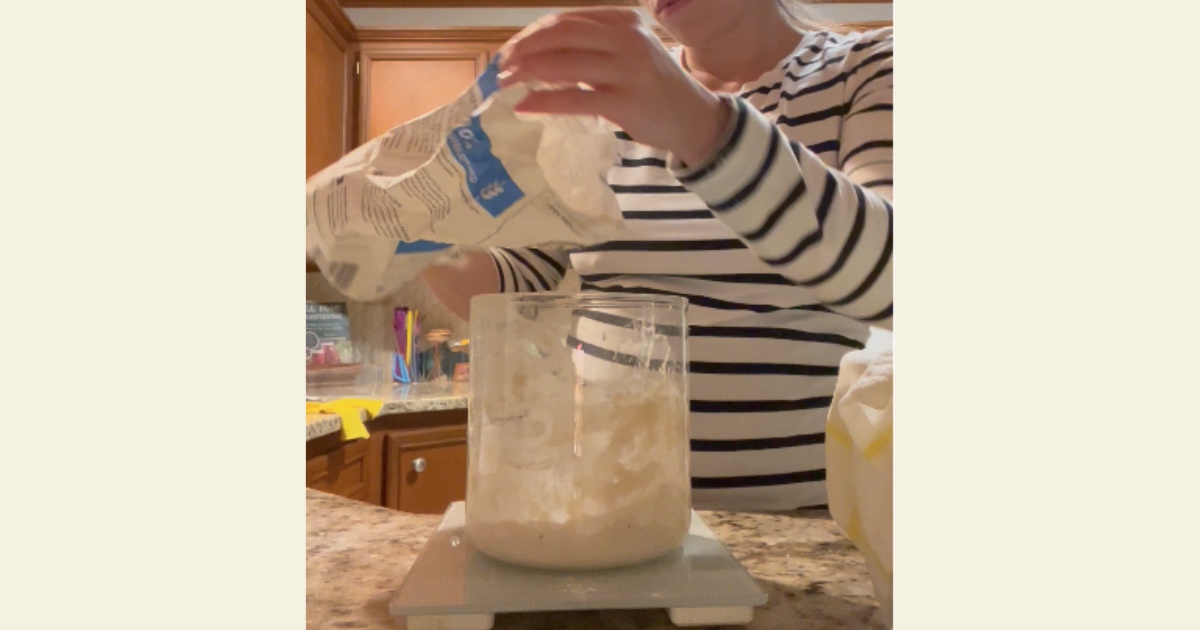
- Is your sourdough starter actually ready and strong enough to make sourdough bread or other recipes?
- If you are unsure, I can walk you through how to make a starter from scratch and how to know when your sourdough starter is ready to start baking with.
- What is the weather like / what is the temperature of your home like?
- Sometimes, a recipe can have different results just by the temperature of your home.
As you can see, there are a lot of factors to consider when completing sourdough bulk fermentation. What is a key sign your dough is ready to go? Let us know in the comments below!